Stop getting ignored after sales calls. These five follow-up strategies help you stand out, spark curiosity, and get real responses from prospects.
We’ve all been there. You had an amazing conversation with a prospect—they seemed interested, they nodded along, they even said, “Let’s touch base next week.”
And then… nothing.
You follow up. You wait. You send another email. Still nothing.
Are they busy? Have they moved on? Or—let’s be real—did your follow-up blend into the sea of generic “Just checking in” emails they ignore daily?
If you want to stay top-of-mind and get responses, it’s time to level up your follow-up game. Here’s how to stop chasing and start closing.
Why do basic follow-ups fail?
Most sales reps send follow-ups that sound something like this:
❌ “Just following up to see if you had any thoughts…” ❌ “Checking in to see where you’re at with this…” ❌ “I wanted to circle back on my last email…”
These messages don’t give the recipient a compelling reason to engage. If they were already interested, they would have replied. If they weren’t, another “checking in” email won’t change that.
What you need? Follow-ups that create curiosity, provide immediate value, and make it easy for the prospect to respond.
What are five follow-up strategies that actually work?
The "Cliffhanger Follow-Up" Why it works: People hate unfinished stories. If you leave them curious, they’ll want to hear the rest. Example: Instead of saying, “Just following up to see if you had any questions,” try this: "We just wrapped up a project with a company facing [specific challenge]—the results were eye-opening. I think you’d find it relevant to [challenge they mentioned]. Let me know if you have 5 minutes to chat—I’d love to share what we uncovered!" This makes them wonder, What did you learn? They’ll want to hear more.
The "Quick Win" Approach Why it works: Your prospect is busy. Give them an immediate takeaway before asking for a meeting. Example: "Hey [Name], I was thinking about our last conversation, and one quick tweak I’ve seen work really well for [challenge they mentioned] is [insert actionable tip]. Hope this helps! Let me know if you’d like to explore this further." This positions you as a problem-solver before you even ask for anything.
The “Let’s Make This Easy” Follow-Up Why it works: Decision fatigue is real. If booking a meeting feels like work, they’ll put it off. Remove the friction. Example: "I know schedules are crazy—if it’s easier, I can send over a 2-minute voice memo with some insights based on our last chat. Let me know what works for you!" Many prospects will take you up on this because it’s low effort for them.
The "Social Proof Nudge" Why it works: People trust what others are doing. If they see their peers getting results, FOMO kicks in. Example: "Just had a great conversation with another [industry/role] leader about [challenge they mentioned], and they saw [specific result]. Thought of you—want me to share what they did differently?" This positions your offering as something that’s already working for their peers, making them more inclined to listen.
The LinkedIn Soft Touch Why it works: Not all follow-ups need to be emails—engaging on LinkedIn keeps you visible in a low-pressure way. Example: • Commenting on their latest LinkedIn post with something thoughtful. • Sending a DM with a relevant article or resource. • Tagging them in a post that aligns with their interests. This subtly keeps you top-of-mind without feeling pushy.
How is follow-up about relevance, not repetition?
If your follow-ups aren’t working, you don’t need more of them—you need better ones that:
Create curiosity (Cliffhanger Follow-Up)
Provide immediate value (Quick Win Approach)
Remove friction (Make It Easy Follow-Up)
Leverage FOMO (Social Proof Nudge)
Use different touchpoints (LinkedIn Soft Touch)
What challenge can you try this month?
Try one of these follow-ups this month and track your response rate. Which one works best for you? Let us know!
And if you want to build repeatable, effective business development and marketing strategies that convert prospects into paying clients—without feeling like a pest—we’re here to help.
"The right follow-up isn't about persistence—it's about relevance, value, and making it easy for your prospect to say yes."
— RB Consulting
Frequently Asked Questions
Why do prospects ghost after a good sales call?
Prospects often get busy, lose interest, or your follow-up blends in with generic messages. Standing out with value-driven follow-ups increases your chances of a reply.
How soon should I follow up after a meeting?
Ideally, follow up within 24-48 hours while the conversation is still fresh. Personalize your message to reference specific points discussed.
What if I still get no response after several follow-ups?
If you’ve tried multiple approaches and still get no reply, give the prospect space. You can circle back in a few weeks with a new angle or resource.
Are LinkedIn follow-ups as effective as email?
LinkedIn can be just as effective, especially for staying visible in a non-intrusive way. Use thoughtful comments or share relevant resources to keep the connection warm.
How do I avoid sounding pushy in my follow-ups?
Focus on providing value, being concise, and making it easy for the prospect to respond. Avoid repetitive or generic messages.
What’s the best way to track follow-up effectiveness?
Use a CRM or simple spreadsheet to log your follow-ups and note response rates. This helps you see which strategies work best for your audience.
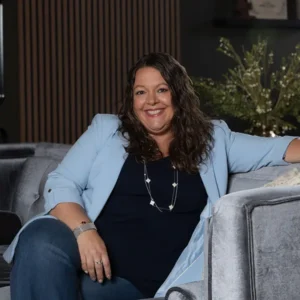
Rebecca Bormann
About the Author
Rebecca Bormann is the Founder and CEO of RB Consulting Agency, a strategic marketing and business development firm that empowers organizations to clarify their brand, elevate visibility, and accelerate growth.
With over 20 years of leadership experience in sales and marketing, Rebecca blends emotional intelligence with data-driven strategy to help clients connect authentically with their audiences, align marketing and business objectives, and build sustainable pipelines for growth.
Under her leadership, RB Consulting serves clients across Indiana and nationwide in sectors including technology, professional services, healthcare, education, retail, and nonprofit. Guided by its core philosophy—People First. Strategy Always. Success Together.—the agency is recognized for its people-centered, data-informed approach that transforms brand presence into measurable business results.
Rebecca’s leadership and impact have earned numerous honors, including 2025 NAWBO Women Business Owner of the Year, Indianapolis Business Journal’s Women of Influence (2022), Hope Magazine’s Hope 25 Honoree (2022), AOTMP® Insights Women in Tech DEI Advocate (2022), and Junior Achievement’s Indy’s Best & Brightest Finalist (2020, 2021).
She holds Executive Education Certificates in Business Strategy, Financial Management, and Marketing & Sales from Indiana University’s Kelley School of Business, along with a Bachelor’s Degree in Management and a Certificate in Communications from Indiana Wesleyan University.
RB Consulting Agency is certified as both a Women Business Enterprise (CWBE) by NAWBO and a Women-Owned Business (WBE) by the Indiana Department of Administration.